
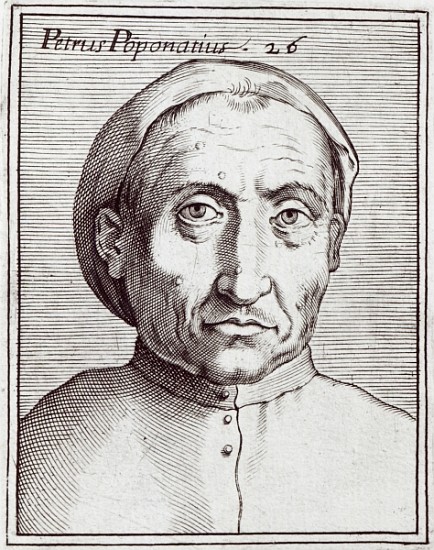
Pietro Pomponazzi (1462-1525) is one of the most important philosophers of the early modern era, and his thought has influenced many subsequent philosophical currents. An Aristotelian philosopher, Pomponazzi developed a complex body of theory encompassing the theory of the soul, natural philosophy, cosmology, and political theory. One of his most important works is the “Treatise on the Immortality of the Soul” (1516). In it, Pomponazzi argues that the immortality of the soul cannot be rationally proven. This premise entails far-reaching consequences: the potential denial of heaven and hell – and thus of an afterlife-based foundation for morality – as well as a re-evaluation of human dignity. In this seminar, we will analyze this work in depth, comparing its contents with other relevant contemporary readings on the nature of the human soul, and the heated reactions it stirred. The aim of our reading is to familiarize with key pillars of early modern philosophy, its relationship to medieval philosophy, and its influence on subsequent thought. We will concurrently discuss themes raised by Pomponazzi that remain relevant today, including the necessity of a moral basis for action; the philosophical-anthropological question of the human being’s place in the world; the metaphysical foundation for understanding human functions and potentials; and the religious implications of philosophical thought, in its relationship with theological doctrines.
- Dozent/in: Francesco Molinarolo