
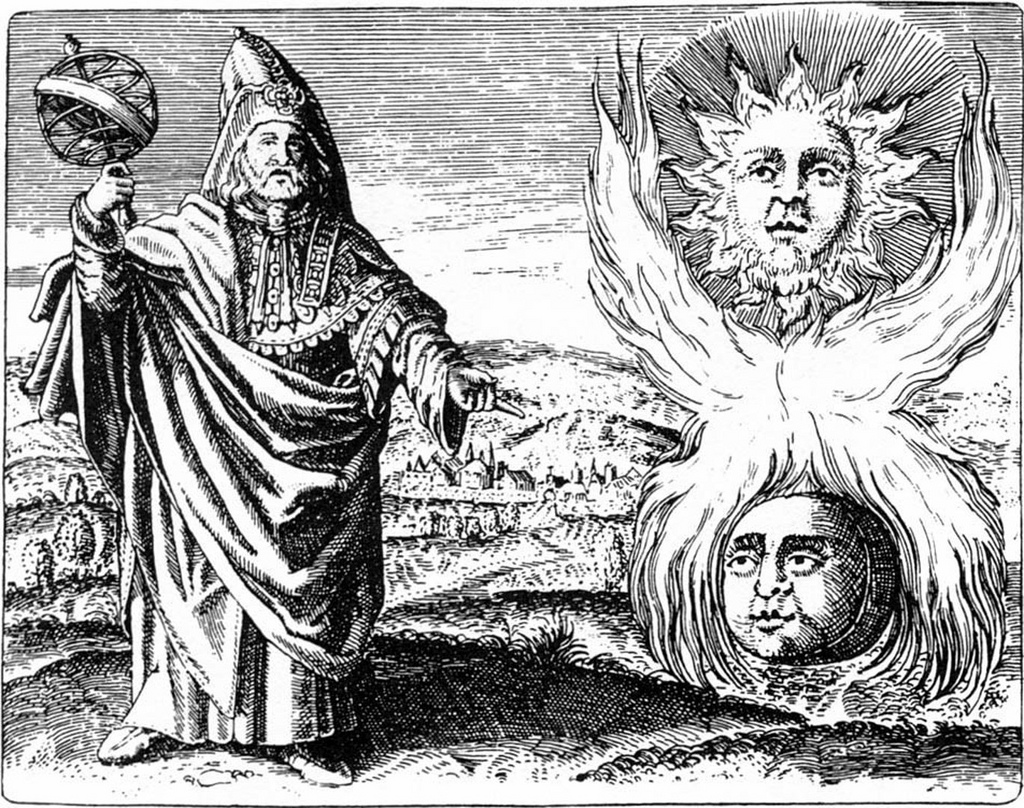
Nowadays, magic is considered the complete opposite of science. While science relies on precise methodologies and fields of inquiry, magic is relegated to the realm of fantasy and the unreal. In the past, the situation was entirely different. From the Middle Ages to the early modern period, magic served, in part, as the practical application of theoretical thought regarding nature and its constituents. Conversely, the modern concept of “science” has traditionally a clearly identifiable historical origin: “scientific” thought began to develop between the late sixteenth and early seventeenth centuries, driven by figures such as Galileo Galilei. In this seminar, we will examine the relationship between magical and scientific thought during the Renaissance. During this period, magic was theorized in various ways and for diverse purposes: on one hand, it corresponds to what we might today define as proto-scientific thought; on the other, it retained certain demonological premises that sparked debates regarding the orthodoxy of its practice. By examining key authors involved in this discourse, we will critically explore this relationship, discussing the practical and theoretical value of knowledge models within the framework of natural philosophy.
- Dozent/in: Francesco Molinarolo