
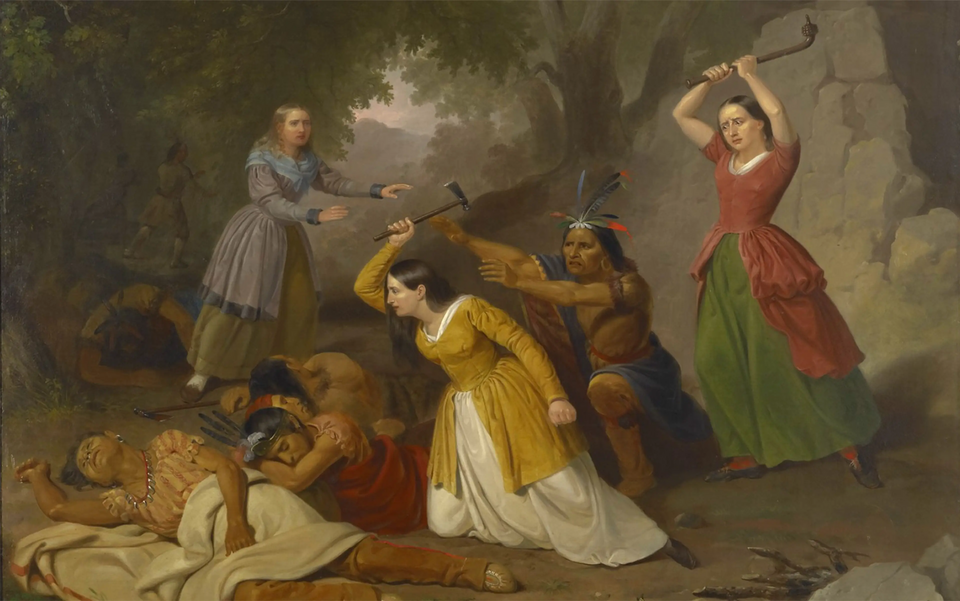
This seminar studies the American captivity narrative as one of U.S. culture’s most durable and contested genres: from Puritan New England to the Gulf War era and ICE detention centers. We will begin with 17th‑ and 18th‑century Indian captivity narratives by Mary Rowlandson, Hannah Dustan, and Mary Jemison to understand how these narratives frame captivity through providence, frontier violence, and emerging ideas of race, gender, and national belonging. This course will then turn to slave narratives and other accounts of displacement to explore how Black writers adopt and revise captivity conventions to articulate experiences of slavery, resistance, and the politics of sympathy. Finally, the course will touch on late‑20th‑ and early‑21st‑century examples such as the Patricia Hearst case, Gulf War PoW narratives, and selected testimonies and memoirs from contemporary ICE detention. It will ask how captivity stories continue to organize U.S. discourses of terrorism, “rescue”, border security, and national heroism, as well as human rights and “rightlessness”. Throughout, we treat the captivity narrative as a mediated form and ask three guiding questions: Who has the authority to narrate captivity, and who controls that narration? What happens to identity under captivity, and what kind of “restoration” do these texts promise? How does the genre construct and contest racialized, gendered, and undocumented “others”? Students will practice close reading and engage feminist, critical race, postcolonial, and life‑writing theory.
- Dozent/in: Marcel Hartwig